The gaming industry is evolving faster than ever, and at the heart of this transformation lies artificial intelligence (AI) and emerging technologies. From hyper-realistic visuals to intelligent NPCs and dynamic storytelling, AI is reshaping how games are created, played, and experienced.
In this in-depth guide by Gamer Fuel Pro, we explore how AI and new technologies are revolutionizing gaming, the opportunities they bring, and the challenges the industry faces in this rapidly changing landscape.
Artificial Intelligence Trends in Gaming
Artificial intelligence is no longer just a feature in games-it’s becoming the backbone of modern game development. AI enables games to learn, adapt, and respond to player behavior, creating more immersive and engaging experiences.
Today’s games are moving beyond static design into dynamic ecosystems where content evolves in real time. This shift is redefining the gaming experience for both players and developers.
Evolution of Technology in Gaming
Gaming has come a long way from pixelated arcade machines to ultra-realistic open worlds. Key technological advancements include:
- High-performance GPUs and ray tracing
- Cloud computing and streaming
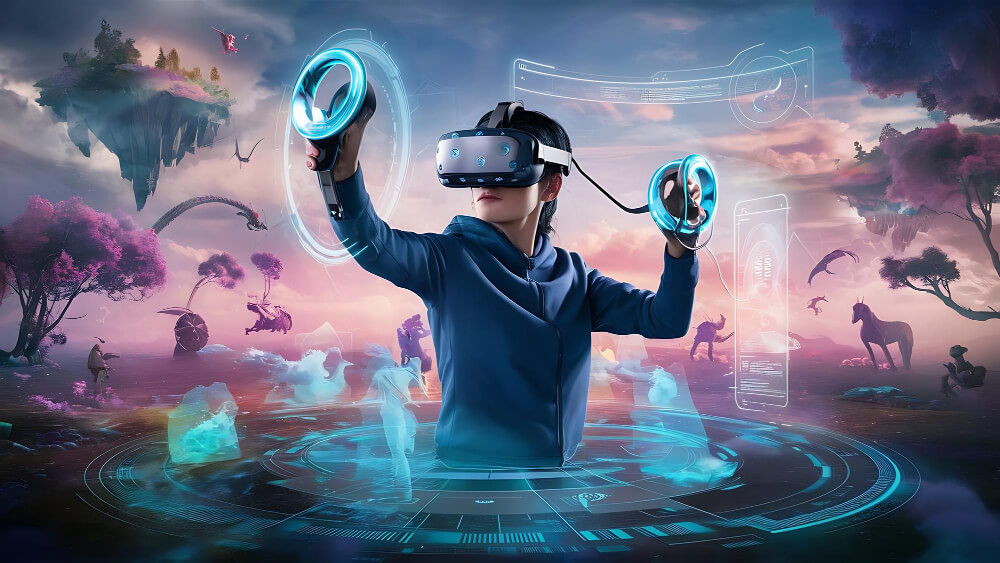
- Virtual Reality (VR) and Augmented Reality (AR)
- Machine learning and AI integration
Modern engines now support real-time rendering and AI-driven mechanics, allowing developers to build expansive and detailed worlds more efficiently.
Role of AI in Game Development
AI is transforming how games are created behind the scenes. Developers now use AI tools for:
- Automated coding assistance
- Asset generation (textures, models, animations)
- Game design prototyping
- Story and dialogue generation
According to industry reports, around 70% of developers are already using AI in workflows, showing how essential it has become in modern development pipelines.
AI is no longer optional-it’s becoming a standard tool in the gaming industry.
Smarter NPCs and Adaptive Gameplay
One of the most noticeable changes in gaming is the rise of intelligent NPCs (non-playable characters).
Key Improvements:
- NPCs can learn from player behavior
- Dynamic responses instead of scripted actions
- Real-time decision-making
AI-driven NPCs create more realistic interactions, making the game world feel alive. Instead of repeating patterns, characters now adapt to each player’s style, enhancing immersion.
Generative AI and Procedural Content
Generative AI is one of the biggest breakthroughs in gaming.
What It Enables:
- Auto-generated game worlds
- Dynamic environments
- AI-created missions and quests
- Real-time storytelling
Games are evolving into “living worlds” that grow and change based on player actions.
Additionally, nearly 20% of new games now use generative AI, with developers leveraging it for visuals, sound, and content creation.
This drastically reduces development time while expanding creative possibilities.
Personalized Gaming Experiences
AI allows games to tailor experiences to individual players.
Examples:
- Difficulty adjusts based on skill level
- Storylines change based on choices
- Custom missions and rewards
This level of personalization ensures that no two players have the same experience, increasing engagement and replayability.
AI in Game Testing and Development Efficiency
Game testing has traditionally been time-consuming and expensive. AI is changing that by:
- Automating bug detection
- Simulating thousands of playthroughs
- Identifying performance issues
AI-powered testing tools help developers release polished games faster and with fewer errors.
Role of Cloud Gaming, AR, and VR
Beyond AI, several new technologies are transforming gaming:
Cloud Gaming
- Play high-end games without expensive hardware
- Instant access across devices
Virtual Reality (VR)
- Fully immersive gaming environments
- Real-world interaction simulation
Augmented Reality (AR)
- Blends real and virtual worlds
- Popular in mobile gaming experiences
These technologies, combined with AI, are pushing gaming toward a more connected and immersive future.
Challenges and Ethical Concerns
While AI brings many benefits, it also raises important concerns.
Industry Concerns:
- Job displacement for artists and developers
- Over-reliance on automation
- Loss of creative originality
Recent discussions show that many developers remain skeptical about AI’s impact, especially regarding creativity and job security.
Even major companies are cautious. Some studios prefer using AI for efficiency rather than direct content creation to maintain quality standards.
Future of AI in Gaming
The future of gaming is deeply connected to AI innovation.
What to Expect:
- Fully AI-generated games
- Real-time evolving storylines
- AI-driven multiplayer companions
- More realistic simulations
The generative AI gaming market is expected to grow rapidly, driven by demand for personalized and scalable content.
Gaming is moving toward a future where experiences are not just played-but continuously created.
Conclusion
AI and new technologies are fundamentally transforming the gaming industry. From development to gameplay, every aspect is evolving rapidly.
While challenges remain, the benefits of AI-efficiency, personalization, and innovation-are too significant to ignore.
At Gamer Fuel Pro, we believe that the future of gaming lies in the balance between human creativity and artificial intelligence. As technology continues to advance, gamers can expect more immersive, dynamic, and personalized experiences than ever before.
FAQs
How is AI used in gaming today?
AI is used for NPC behavior, procedural content generation, game testing, and personalized gameplay experiences.
What is generative AI in gaming?
Generative AI creates game assets, environments, and stories dynamically, reducing development time and enhancing creativity.
Can AI create entire games?
Yes, AI is increasingly capable of generating large parts of games, though human developers are still essential for creativity and direction.
Is AI replacing game developers?
Not entirely. AI is more of a tool that enhances productivity, though it may change certain roles within the industry.
What are the risks of AI in gaming?
Key risks include job displacement, reduced creativity, ethical concerns, and over-reliance on automation.
What is the future of AI in gaming?
The future includes fully adaptive games, AI-driven storytelling, and immersive experiences powered by VR, AR, and cloud technology.