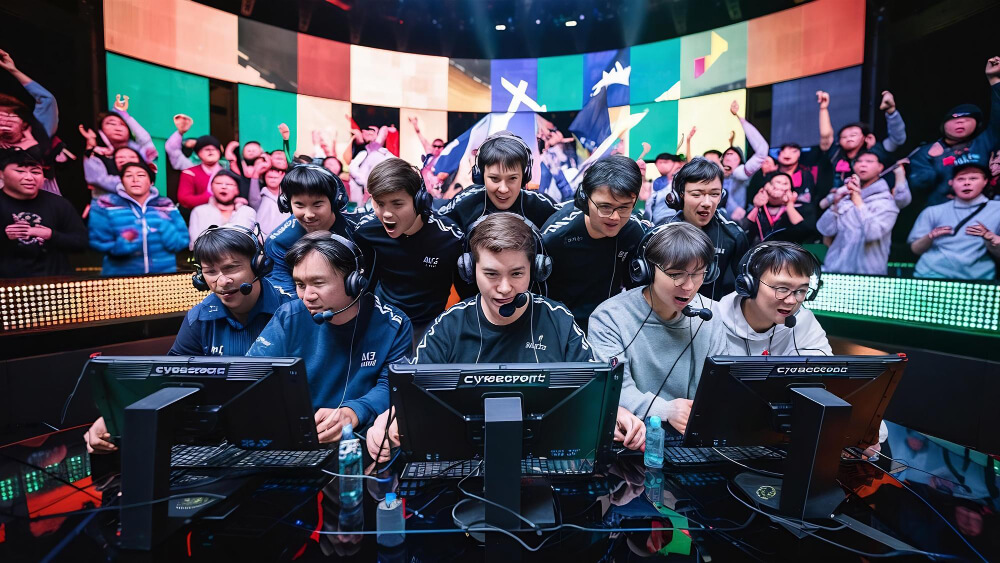
The global eSports industry is evolving at lightning speed, with top teams constantly redefining what it means to win. From strategic roster building to advanced analytics, today’s leading organizations are not just teams-they are high-performance ecosystems.
In this detailed guide by Gamer Fuel Pro, we’ll break down the top eSports teams dominating the global scene and uncover the winning strategies that set them apart.
Structured and Strategic Teams in eSports
eSports is no longer just about gaming-it’s a billion-dollar industry powered by innovation, sponsorships, and global fanbases. The rise of professional teams has transformed competitive gaming into a structured and strategic domain.
Top teams like Team Liquid and T1 are not just winning tournaments-they’re building brands, expanding globally, and setting new standards for competitive excellence.
What Makes an eSports Team Successful?
Before diving into specific teams, it’s important to understand the core factors behind success:
- Strong leadership & coaching
- Consistent roster synergy
- Adaptability to meta changes
- Data-driven decision making
- Mental resilience under pressure
The most successful organizations combine all these elements into a unified system.
Top eSports Teams Dominating the Scene
1. Team Liquid – The Global Powerhouse
Overview:
Team Liquid is widely regarded as one of the most dominant eSports organizations globally, with success across multiple titles.
Winning Strategy:
- Multi-region expansion (Asia, Europe, North America)
- Investment in mobile eSports markets
- Diversified revenue streams
Their expansion into Southeast Asia and mobile gaming has helped them stay ahead of competitors.
Key Lesson: Diversification equals long-term stability.
2. T1 – The Legacy Dynasty
Overview:
T1 is synonymous with excellence, especially in League of Legends, with multiple world championship wins.
Winning Strategy:
- Long-term player retention (e.g., star players)
- Strong brand identity
- High-pressure performance consistency
Their ability to maintain dominance over years shows the power of continuity and leadership.
Key Lesson: Stability builds championship culture.
3. Team Falcons – The Super-Team Model
Overview:
Team Falcons has rapidly risen by investing heavily in top-tier talent across games.
Winning Strategy:
- Aggressive player acquisitions
- Multi-title domination approach
- Financial backing and infrastructure
They’ve proven that strategic investment can create instant contenders.
Key Lesson: Smart spending can accelerate success.
4. G2 Esports – The Consistency Kings
Overview:
G2 is known for its strong presence in multiple games and consistent top-tier performances.
Winning Strategy:
- Stable rosters
- Strong team synergy
- Balanced focus on performance and content
G2 emphasizes long-term planning over short-term wins, making them one of the most reliable teams.
Key Lesson: Consistency beats unpredictability.
5. Fnatic – The Rebuilding Giant
Overview:
Fnatic continues to evolve with fresh talent and strategic roster changes.
Winning Strategy:
- Focus on young, high-potential players
- Aggressive rebuilding strategies
- Adaptation to new formats
Their willingness to rebuild keeps them competitive in a changing landscape.
Key Lesson: Reinvention is key to longevity.
6. Team Spirit – Precision & Discipline
Overview:
Team Spirit is known for its structured gameplay and high consistency.
Winning Strategy:
- Data-driven gameplay
- Strong internal development systems
- High win-rate consistency
They maintain performance through discipline and structured teamwork.
Key Lesson: Structure creates consistency.
7. Team Soul (S8UL) – India’s Rising Star
Overview:
Team Soul has become a dominant force in Indian eSports, especially in mobile gaming.
Winning Strategy:
- Strong community engagement
- Content + competitive balance
- Focus on mobile eSports dominance
Their success shows how regional teams can build global recognition.
Key Lesson: Community matters as much as competition.
Winning Strategies Used by Top Teams
1. Cross-Game Expansion
Top teams don’t rely on one game-they compete across multiple titles to maximize exposure and revenue.
2. Data-Driven Gameplay
Teams analyze:
- Opponent patterns
- Player performance metrics
- Meta trends
This allows smarter decision-making during matches.
3. Roster Stability vs. Strategic Changes
- Teams like G2 focus on stability
- Teams like Fnatic embrace frequent changes
Both strategies work-depending on execution.
4. Mental Conditioning & Psychology
Winning teams invest in:
- Sports psychologists
- Stress management training
- Team communication exercises
5. Strong Brand & Content Strategy
Organizations like FaZe Clan prove that content creation can be as powerful as tournament wins.
The Role of Coaching, Data & Analytics
Modern eSports teams function like traditional sports franchises:
- Coaches analyze gameplay and strategies
- Analysts study opponents and trends
- Managers ensure team coordination
Advanced tools now track everything from reaction time to in-game decision patterns.
How eSports Strategies Are Evolving
The eSports landscape is constantly changing:
- Rise of mobile eSports
- Increased global competition
- AI-powered analytics tools
- Cross-region tournaments
Teams that adapt quickly stay ahead, while others fall behind.
Key Takeaways for Aspiring Teams
If you want to build a successful eSports team:
- Focus on teamwork, not just individual skill
- Invest in coaching and analytics
- Build a strong brand identity
- Stay adaptable to game updates and trends
- Learn from top organizations
At Gamer Fuel Pro, we believe that understanding these strategies is the first step toward entering the competitive gaming world.
Conclusion
The success of top eSports teams isn’t accidental-it’s the result of strategy, discipline, and constant innovation. As the industry continues to evolve, only those teams that adapt and innovate will remain at the top. Whether you’re a fan, player, or aspiring team owner, learning from these elite organizations can give you a competitive edge in the ever-changing world of eSports.
FAQs
Which is the best eSports team in 2026?
There’s no single answer, but teams like Team Liquid, T1, and G2 Esports are among the top contenders globally.
What strategy is most important in eSports?
Team synergy and adaptability are the most critical factors for long-term success.
Do eSports teams use data analytics?
Yes, modern teams heavily rely on analytics to improve performance and strategy.
How do eSports teams earn money?
Through tournament winnings, sponsorships, streaming, merchandise, and brand deals.
Can new teams compete with top organizations?
Yes, with the right strategy, investment, and talent, new teams can rise quickly in the eSports ecosystem.


