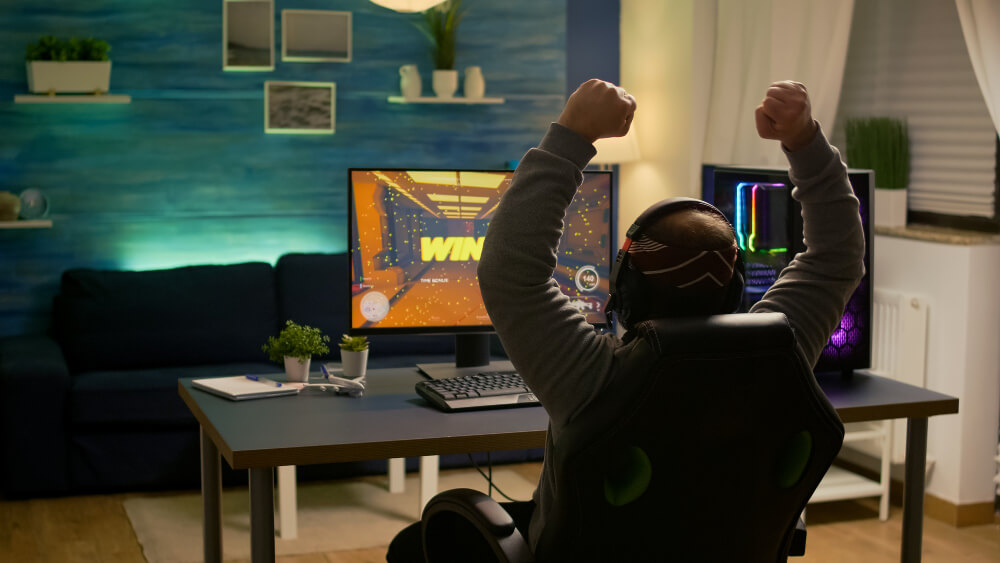
Competitive online gaming has evolved into a high-stakes environment where skill, strategy, and adaptability define success. Whether you’re playing battle royale, FPS, MOBA, or strategy-based games, having a winning strategy is what separates casual players from consistent winners. Winning in competitive online games isn’t just about fast reflexes-it’s about thinking ahead, making calculated decisions, and adapting to ever-changing scenarios. A well-built strategy allows you to stay composed under pressure and make smarter moves. From esports professionals to casual ranked players, everyone relies on structured strategies to improve performance and climb the leaderboard. In this comprehensive guide, we’ll explore how to build a powerful, adaptable strategy that keeps you ahead of the competition. These insights are based on ever-evolving gaming trends and are perfect for beginners and experienced players alike.
Understanding Game Mechanics and Meta
Before building a strategy, you must understand the core mechanics of your game:
- Movement systems
- Weapon balancing
- Character abilities
- Scoring systems
What is “Meta”?
“Meta” refers to the most effective tactics available. It changes frequently due to updates, patches, and player discoveries.
Pro Tip: Stay updated with patch notes and community discussions to understand shifts in the meta. Ignoring this can make your strategy outdated quickly.
Choosing the Right Playstyle
Every player has a unique playstyle. Identifying yours is crucial:
- Aggressive: Fast-paced, high-risk gameplay
- Defensive: Strategic positioning and patience
- Support: Assisting teammates and controlling flow
- Balanced: Adapting to situations dynamically
Choose a style that complements your strengths while still being flexible enough to adapt during matches.
Mastering Map Awareness
Map awareness is a cornerstone of competitive success.
Key Elements:
- Knowing spawn points
- Understanding high-ground advantages
- Tracking enemy movements
- Predicting rotations
Players who master map awareness often win without needing superior aim.
Gaming Tip: Spend time in practice mode or custom games to memorize maps. This gives you a huge edge in real matches.
Communication and Team Coordination
In team-based games, communication is everything.
Effective Communication Includes:
- Clear callouts
- Sharing enemy positions
- Coordinating attacks and defenses
- Timing abilities and ultimates
Even average players can outperform skilled opponents if they communicate better.
Use voice chat or quick commands effectively-silence often leads to confusion and losses.
Improving Reflexes and Decision-Making
Fast reflexes help, but smart decisions win games.
How to Improve:
- Practice aim training regularly
- Play reaction-based mini-games
- Analyze your mistakes after matches
- Learn when to engage and disengage
Advanced Tip: Don’t panic under pressure. Calm decisions often outperform fast but careless reactions.
Analyzing Opponents and Adapting
A winning strategy is never static.
Watch for:
- Enemy playstyle patterns
- Weak players in the opposing team
- Predictable rotations or strategies
Once identified, adapt your gameplay to counter them.
Example: If opponents rush aggressively, switch to defensive traps or ambush tactics.
Building Consistency Through Practice
Consistency is the key to long-term success.
Practice Smart:
- Focus on one skill at a time
- Play ranked games regularly
- Review gameplay recordings
- Learn from better players
Avoid mindless grinding-practice with purpose.
At Gamer Fuel Pro, we emphasize structured practice routines that help players improve efficiently rather than just playing for hours without progress.
Tools and Settings That Enhance Performance
Optimizing your setup can significantly improve your gameplay.
Key Settings:
- Sensitivity and DPI
- Graphics settings for better FPS
- Key bindings and controls
- Audio settings for better awareness
Recommended Tools:
- Aim trainers
- FPS boosters
- Performance monitoring software
Pro Tip: Lower graphics settings can sometimes improve visibility and reaction time.
Common Mistakes to Avoid
Even skilled players make mistakes that cost them games.
Avoid These:
- Overcommitting to fights
- Ignoring team coordination
- Playing without a plan
- Not adapting to opponents
- Tilt and emotional gameplay
Staying calm and focused is often more important than raw skill.
Future-Proof Gaming Tips
The gaming world is constantly evolving, and so should your strategy.
Stay Ahead With These Tips:
- Follow patch updates and esports trends
- Learn multiple roles or characters
- Stay adaptable to new mechanics
- Watch professional gameplay for insights
- Keep upgrading your hardware when possible
The best players aren’t just skilled-they’re adaptable.
Conclusion
Building a winning strategy in competitive online games requires a combination of knowledge, skill, and adaptability. From understanding game mechanics to mastering communication and staying updated with the latest trends, every aspect plays a crucial role. Remember, success doesn’t come overnight. It’s built through consistent effort, smart practice, and a willingness to learn from mistakes. Whether you’re aiming to climb the ranks or dominate casual matches, applying these strategies will put you ahead of the competition. Platforms like Gamer Fuel Pro continue to guide gamers with evolving strategies and insights to stay competitive in today’s dynamic gaming landscape.
FAQs
What is the most important factor in competitive gaming strategy?
The most important factor is adaptability. Games change constantly, and players who adjust their strategies quickly tend to win more.
How can beginners build a strong strategy?
Beginners should start by understanding game mechanics, practicing regularly, and focusing on one playstyle before expanding.
Do I need a high-end PC to compete effectively?
Not necessarily. Optimized settings and good skills can compensate for lower-end hardware in many games.
How often should I practice to improve?
Consistency matters more than duration. Practicing 1–2 hours daily with focus is more effective than long, unfocused sessions.
How can I improve team coordination?
Use voice chat, give clear callouts, and play regularly with the same team to build synergy.
Why do I lose even when I play well individually?
Competitive games often rely on teamwork and strategy. Individual performance alone isn’t enough without coordination and planning.


